
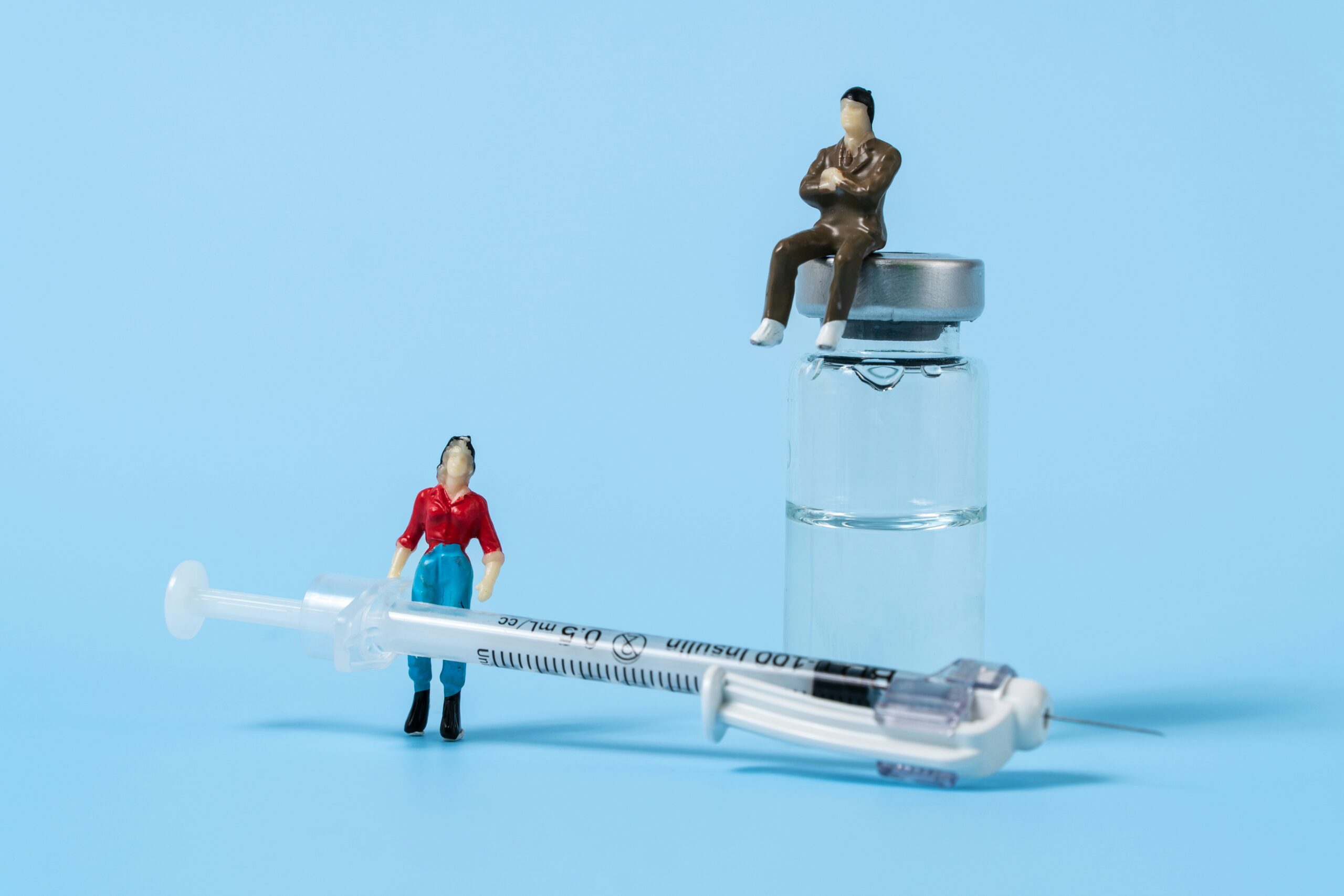
In a society obsessed with transformation, semaglutide has emerged as the new miracle fix—praised as a weight-loss “game changer” and blasted as a shortcut for the vain. Known commercially under names like Ozempic and Wegovy, this drug—originally developed to treat type 2 diabetes—is now the center of America’s growing infatuation with being thin again. But beneath the headlines and hashtags lies a deeper, more complex story about our culture, our bodies, and our desire to shrink ourselves in the name of success.
What Is Semaglutide, Really?
Semaglutide is a GLP-1 receptor agonist that works by mimicking a hormone that targets areas of the brain involved in appetite regulation. In simpler terms: it helps people feel full faster and longer. For diabetics, this can be life-changing. For those in pursuit of weight loss, it’s become a highly sought-after injection—often dubbed the “skinny shot.”
Originally intended for people with obesity-related health concerns, semaglutide is now riding a wave of off-label use. Celebrities whisper about it. Influencers flaunt it. Wellness clinics push it. Suddenly, being visibly thinner has less to do with kale smoothies and CrossFit, and more to do with a weekly jab in the arm or stomach.
The New Face of the Thin Ideal
Let’s be honest: America never fell out of love with thinness. We just pretended we did for a little while.
We saw the rise of body positivity and inclusive beauty campaigns. Fat liberation became a part of the cultural conversation. But in the background, the pressure to be slim didn’t disappear—it got quieter, more insidious. And semaglutide has brought it roaring back.
Now, the ideal body is not just thin—it’s medically sanctioned, injectable, and effortless-seeming. Instead of crash diets, we’ve got prescriptions. Instead of gym selfies, we have “before and after” reels. And through it all, there’s this silent insinuation that choosing not to alter your body makes you lazy, undisciplined, or somehow “less evolved.”
The Cost of the Quest
And let’s talk about the cost—because it’s not just about dollars (though those add up quickly, too). Semaglutide treatments can run upwards of $1,000 a month for those paying out of pocket, creating a new class divide in body image maintenance. Who gets to be “effortlessly thin”? Who gets praised for “taking control of their health”? Who gets scrutinized or shamed for staying the same?
There’s also a human cost: people experiencing side effects like nausea, vomiting, and muscle loss. Some users report feeling detached from food altogether, as if their bodies are no longer interested in pleasure or nourishment. And there’s a psychological toll too—on those taking the drug and on those watching from the sidelines, wondering why their natural bodies aren’t enough.
Reframing the Narrative
We should never shame someone for using tools that help them feel better in their bodies—especially when those tools are prescribed with care. But we also need to question why so many people feel like their only path to worthiness, health, or visibility is to get smaller.
The semaglutide story isn’t just about weight loss. It’s about a culture that equates thinness with discipline, success, and beauty. It’s about a health care system that’s more willing to prescribe injections than tackle systemic issues like food deserts, mental health access, or fatphobia in medicine. And it’s about a media machine that’s found a new way to repackage the age-old message: thin is in.
Final Thoughts
The quest to be thin didn’t start with semaglutide, and it won’t end with it either. But we’re at a turning point. We can keep sprinting toward a medically-induced ideal, or we can pause and ask harder questions about what we value, who we celebrate, and why.
Semaglutide may change bodies—but what needs changing most is the culture.
Tags: #Semaglutide #Ozempic #BodyPolitics #WeightLossCulture #Fatphobia #WellnessIndustry #ThinIsNotTheOnlyGoal #HealthAtEverySize
Photo by Etactics Inc on Unsplash


