
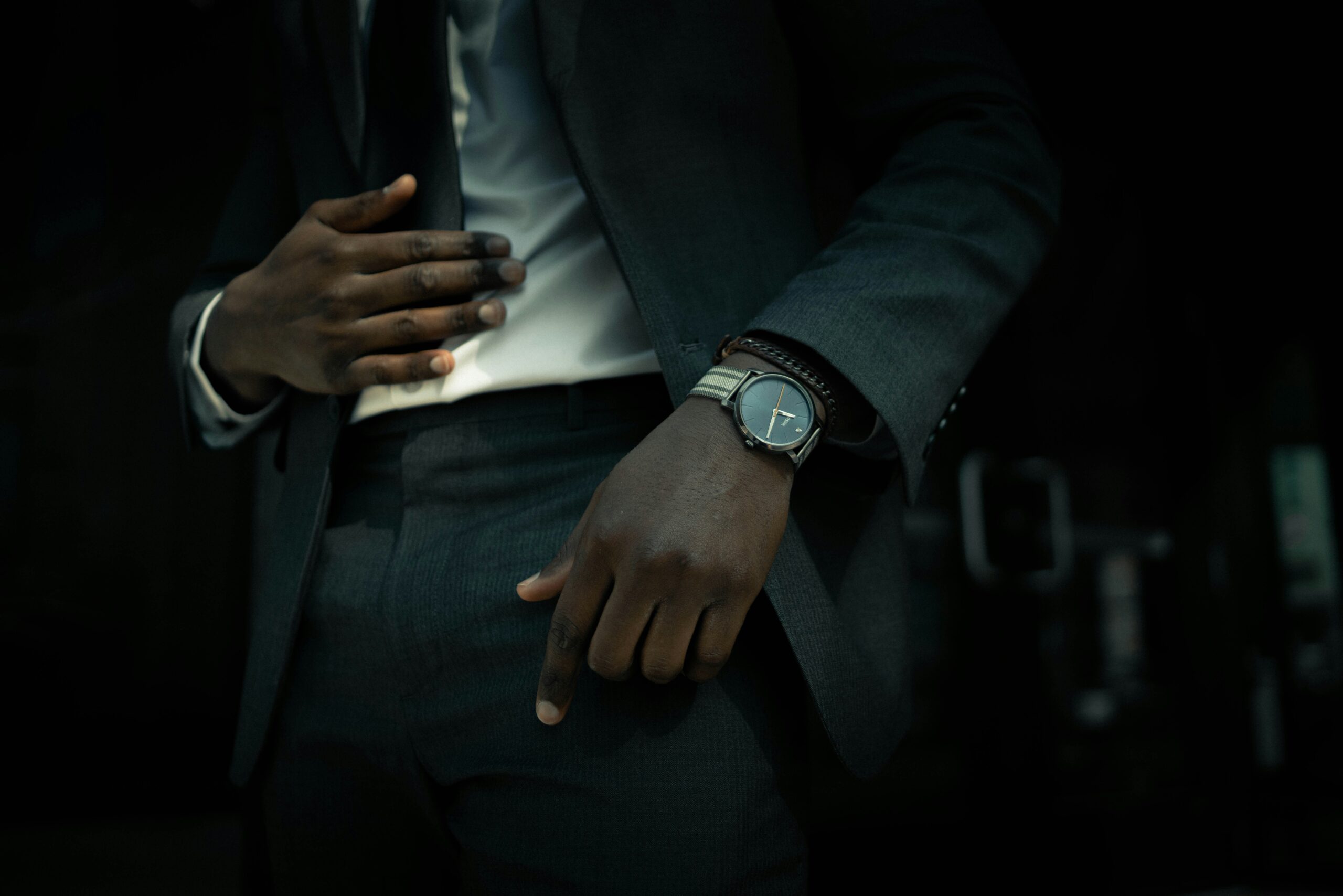
Every first Monday in May, the Met Gala reemerges like a phoenix—feathers, sequins, and all—to dominate the fashion conversation and redefine what luxury, rebellion, and storytelling look like through dress. This year, the Met Gala’s theme, “Sleeping Beauties: Reawakening Fashion,” invites guests to explore the tension between preservation and reinvention, between archive and fantasy. And while many looked to Victorian sleeves or archival McQueen for inspiration, one aesthetic roared back to life with divine audacity: Black Dandyism.
In a sea of predictable opulence, Black Dandyism is not just a style—it’s a resistance wrapped in velvet, a revolution sewn in silk. It is where sartorial flair meets political defiance. For Black men and gender-expansive folks, it has long been a form of quiet (and sometimes loud) protest—a reclamation of dignity and autonomy in the face of erasure.
What is Black Dandyism?
Black Dandyism is more than fashion. It is a historic aesthetic movement where Black individuals—especially men—dressed with exaggerated refinement, drawing from aristocratic European fashion and infusing it with Black culture, creativity, and swagger. It’s what you saw in the Harlem Renaissance. In the zoot suits of 1940s jazz culture. In the stylings of André 3000 and Billy Porter. It is Chester Himes in a three-piece, W.E.B. Du Bois with his spectacles, and Jidenna strutting in ankara print with an ascot.
It’s not about assimilation. It’s about elevation. It is about being seen on your own terms.
The Met Gala Connection
This year’s Met Gala gave us a rare and powerful opportunity to revisit this aesthetic with the reverence it deserves. With the Costume Institute’s exhibit focusing on the sensory and symbolic power of fashion, what could be more powerful than Black Dandyism—an aesthetic born from survival, transformation, and pride?
From updated frock coats to floral brocade suits and glimmering capes, Black celebrities, designers, and stylists nodded to the Dandy tradition, whether knowingly or not. Dandies don’t just dress. They declare. Their outfits read like poetry—evoking the past, reimagining the present, and dreaming forward.
Reawakening, Reclaiming
The theme of “reawakening” fits like a tailored glove. Black Dandyism reawakens our understanding of what it means to be Black and soft, Black and elegant, Black and unbothered. In a world that often expects Black people to shrink or perform, the Dandy dares to be still, to be sharp, to glide into a room and shift the energy without saying a word.
In this sense, the Met Gala—often criticized for its detachment from real-world issues—became, for a few moments, a place of historical reckoning and pride. A revival. A re-centering of the legacy of style as defiance.
Why It Matters
To see Black Dandyism honored on fashion’s biggest stage is not trivial. In a world where Black expression is commodified but rarely credited, seeing the roots acknowledged and celebrated is a subtle but necessary balm.
Black Dandyism tells us that we’ve always had style. That we’ve always known how to mix elegance with rebellion. That we don’t need a theme to show up, suited and divine.
But this year? The theme matched the moment. And the moment, this time, belonged to the Dandies.
#BlackDandyism #MetGala2025 #SleepingBeauties #ReawakeningFashion #StyleAsResistance #BlackElegance
Photo by Troy Spoelma on Unsplash


